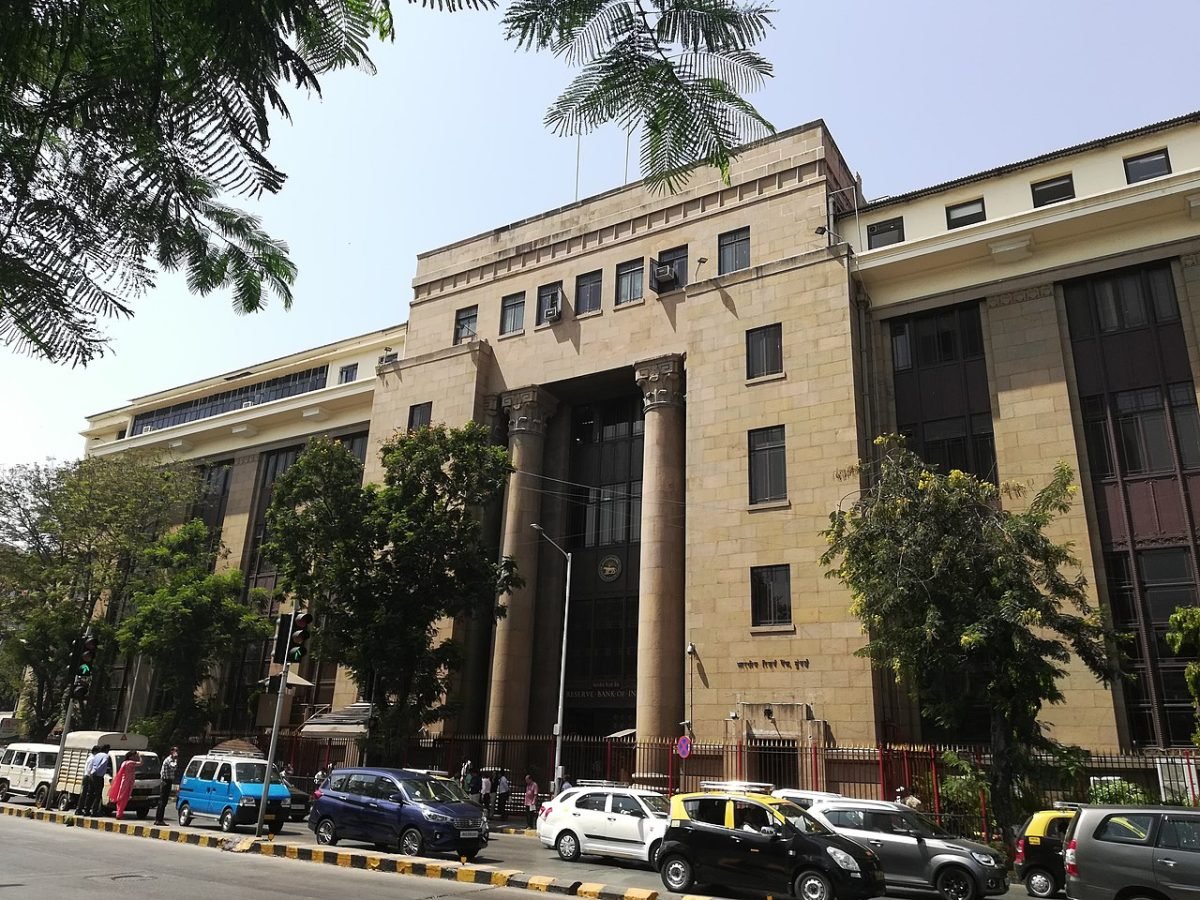
According to National Statistical Office data, the Indian economy grew 7.8 per cent in the January-March quarter of FY26, beating RBI and market expectations. Full-year growth came in at 7.7 per cent.
New Delhi, May 30. The Indian economy has closed FY26 on a strong note. According to data released by the National Statistical Office (NSO), gross domestic product (GDP) growth accelerated to 7.8 per cent in the January-March (fourth) quarter, while full-year growth stood at 7.7 per cent. The figure came in better than the expectations of the Reserve Bank of India and most market analysts, who had projected fourth-quarter growth in the range of about 7.0 to 7.3 per cent.
Services lead the way
According to the data, the biggest contribution in the fourth quarter came from the services sector, which expanded at 9.9 per cent. Within it, trade, hotels, transport, communication and broadcasting services recorded a sharp 12.5 per cent growth, while financial, real-estate and professional services grew 10.4 per cent. This strength in services reflects the power of India's domestic demand and consumption, which continued to support the economy despite global uncertainties.
The role of industry and construction
The industrial sector grew 7.3 per cent in the March quarter, with construction expanding at 8.4 per cent and manufacturing at 7.3 per cent. The strength in construction signals the rising flow of public and private investment into infrastructure, while the growth in manufacturing is linked to domestic demand and the government's production-incentive initiatives. Taken together, the data show that India's growth is broad-based and balanced across several sectors.
A jump in investment
One encouraging aspect of the data relates to investment. In FY26, private investment announcements rose to Rs 56 lakh crore, far higher than the Rs 37 lakh crore of FY25. Total investment announcements, meanwhile, touched a record Rs 80 lakh crore. This jump in investment is seen as important for future economic activity, job creation and the expansion of productive capacity.
The policy context
These strong growth numbers come at a time of continuing global geopolitical tension, volatility in crude-oil prices and uncertainty in external demand. In such an environment, annual growth of 7.7 per cent keeps India among the fastest-growing major economies in the world. Economists say domestic consumption, services exports and public capital expenditure have been the main pillars of this growth.
Agriculture and the rural economy
Alongside services and industry, the performance of the agriculture sector was also important for overall growth. A good monsoon and better crop output supported rural incomes and demand, which showed up in sectors such as consumer goods and two-wheelers. The strength of the rural economy is considered significant because a large part of the country's population still depends, directly or indirectly, on agriculture. Experts say that if rural demand continues to improve steadily, it will give overall economic growth a broader and more balanced base.
India in a global comparison
The annual growth rate of 7.7 per cent keeps India among the fastest-growing of the world's major economies. At a time when several developed economies are grappling with slow growth and high inflation, India's pace is drawing the attention of global investors. Economists also stress, however, that alongside the headline growth rate, indicators such as job creation, rising incomes and falling inequality are equally important, so that the benefits of growth reach the wider population.
What experts say
Analysts believe the better-than-expected growth reflects the strength of India's economic fundamentals, but the road ahead is not free of challenges. They say broadening the base of private investment, strengthening rural demand and coping with the pressures of global trade will remain key priorities for policymakers. Some experts also stress that delivering the benefits of high growth to the wider population in the form of jobs and incomes is just as important as keeping the headline growth rate high. They count a spike in global oil prices and uncertainty in external demand among the main near-term risks.
What happens next
Following this data, all eyes will be on how growth momentum holds up in the current financial year and how factors such as the monsoon, global oil prices and external demand affect it. The Reserve Bank's monetary policy and the direction of the government's capital expenditure will play a key role in shaping the growth path in the coming quarters. Much will also depend on how private companies translate their record investment announcements into actual projects on the ground, and on whether global trade conditions remain supportive. For now, the strong finish has given the economy an optimistic footing as it enters the new financial year, and the headline numbers offer a measure of reassurance amid an uncertain global backdrop.