Friday, 10 Jul 2026
Jan Jagran
Breaking
Health

Dengue Now Spreads Year-Round: India Records 6,927 Cases by February as Climate Change Disrupts the Old Pattern

Dengue in India is no longer confined to the monsoon. By the end of February 2026, the country recorded 6,927 dengue cases, signalling unusually early transmission. Experts blame rising temperatures and erratic rainfall.

अजय राज अजय राज 14 Jun 2026, 09:08 AM 1 min read 18 views
Dengue Now Spreads Year-Round: India Records 6,927 Cases by February as Climate Change Disrupts the Old Pattern
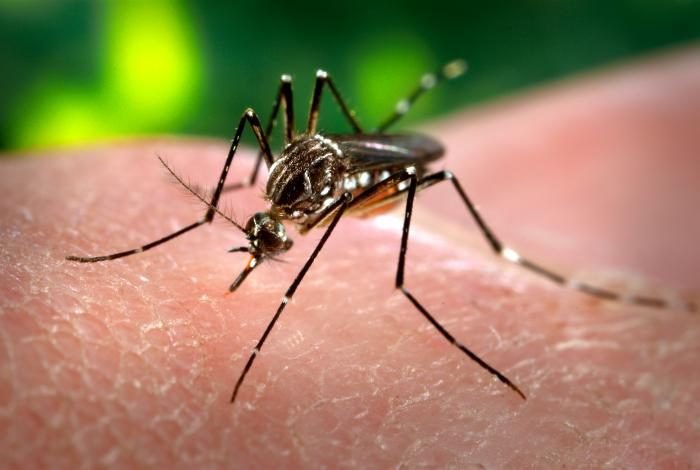
The Aedes aegypti mosquito, responsible for spreading dengue and chikungunya.

New Delhi, June 12, 2026. For decades, dengue outbreaks in India followed a fixed cycle, with cases rising during the monsoon, peaking after heavy rains and then declining as temperatures cooled. But that pattern is now changing rapidly. This year, even before the monsoon season officially began, the country had recorded 6,927 dengue cases by the end of February 2026, signalling unusually early transmission of the disease.

The State-Wise Picture

In the early figures for this year, Tamil Nadu was the worst affected state, with 2,873 cases recorded. It was followed by Maharashtra with 786, Kerala with 670 and Karnataka with 560 cases. What is worrying is that, even before the onset of the monsoon, hospitals in several cities reported a rise in suspected dengue cases, indicating that the seasonal character of the disease is now shifting. This change presents a new challenge for the health system.

Why the Pattern Is Changing

According to experts, rising temperatures and erratic rainfall now allow mosquitoes to survive for longer. Dr Harshdeep Joshi, a professor of community medicine at Maharishi Markandeshwar Medical College, said that dengue is no longer restricted to the post-monsoon period and that the transmission window appears to be expanding. According to a scientific study, temperatures above 27 degrees Celsius, humidity between 60 and 78 percent and moderate rainfall create ideal conditions for the mosquitoes that spread dengue.

A Link With Air Pollution

A 2026 environmental pollution study revealed a startling fact. The study found that countries with higher levels of PM2.5 pollution recorded dengue death rates three to five times higher than cleaner regions. This finding is particularly worrying for a country like India, where many cities are already struggling with severe air pollution. It shows that several public health challenges are deeply interconnected and cannot be tackled in isolation, demanding a coordinated approach across sectors.

The Threat of Chikungunya Too

Alongside dengue, chikungunya is also emerging as a growing threat that is being monitored more closely. India remains the largest bearer of the chikungunya burden in the Southeast Asia region, where 34,876 suspected and confirmed cases were reported in 2025. Together, these mosquito-borne diseases are placing heavy pressure on the country's health system, particularly when their transmission seasons overlap and hospitals see a simultaneous rise in fever cases.

The Government's Response

To tackle this growing threat, the government has taken several steps. Takeda's Qdenga vaccine has been approved, and a partnership has been formed with Biological E for its local production. In addition, ICMR and Panacea Biotec have completed Phase III trials of India's first indigenous dengue vaccine, 'DengiAll', with 10,335 volunteers. The Serum Institute is also conducting Phase III trials for 'TetraVax-DV'. These vaccines could play a crucial role in dengue control in the future once they are approved and rolled out.

Prevention Is the Best Cure

Experts repeatedly stress that the most effective way to protect against mosquito-borne diseases like dengue and chikungunya is prevention. Not allowing water to collect in and around homes, regular cleaning of coolers and flower pots, the use of mosquito nets and wearing full-sleeved clothing can substantially curb the spread of these diseases. Since Aedes mosquitoes breed in clean water and bite during the day, public awareness and community participation are the most important weapons in this fight.

A Warning for the Future

The shift in dengue's behaviour is being read by scientists as an early warning of how climate change can reshape the map of infectious disease. As warmer temperatures allow disease-carrying mosquitoes to expand into new regions and longer seasons, illnesses once considered seasonal or geographically limited may become year-round, nationwide threats. Public health systems, long organised around predictable outbreak calendars, will need to adapt to a more constant state of vigilance. For India, with its dense cities and large at-risk population, building this kind of continuous surveillance and response capacity has become an urgent priority.

What's Next

Experts warn that as long as dengue is viewed merely as a seasonal disease, it will be difficult to control. Given the changing climate patterns, it has now become essential to focus on year-round mosquito control, prevention of water stagnation and public awareness. The successful development and deployment of an indigenous vaccine could prove to be an important weapon in this fight in the years to come, provided it is made widely accessible to all.

Source: Al Jazeera
अजय राज
Written by
अजय राज
Editor-in-Chief

जनजागरण के संस्थापक और प्रधान संपादक। पत्रकारिता में 15+ वर्षों का अनुभव, राष्ट्रीय और अंतरराष्ट्रीय खबरों पर पैनी नज़र।

View all articles by अजय राज →

Comments (0)

Stay updated with daily headlines

Subscribe to our newsletter and never miss a story.