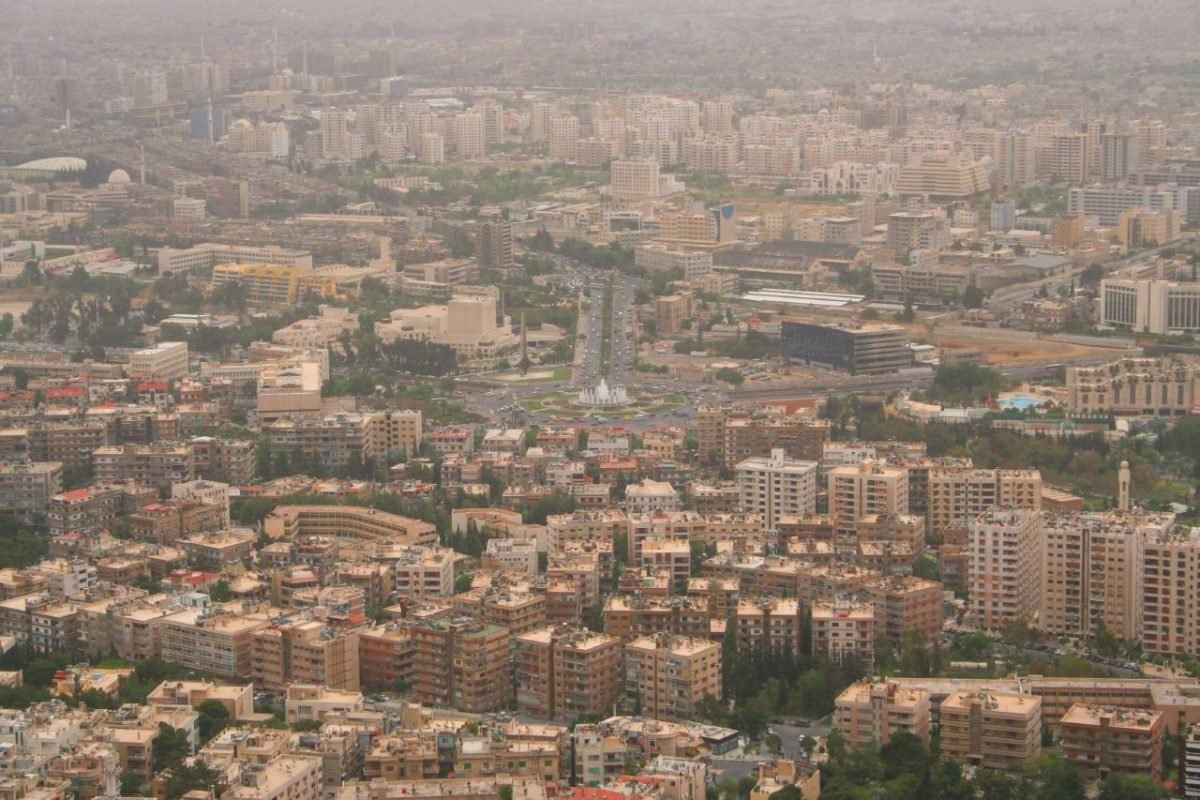
Damascus, May 31. After years of civil war and international isolation, Syria is entering a new era. The UN Security Council, under Resolution 2799, has lifted terrorism-related sanctions on Syria's interim President Ahmed al-Sharaa. Alongside this, Syria's new government is actively working to normalise its relations with the international community and to rebuild the country. Recently, al-Sharaa urged US President Donald Trump to lift all sanctions on Syria, which he regards as essential for reviving the country's economy.
The Security Council's Historic Resolution
In November 2025, the UN Security Council adopted Resolution 2799 with 14 votes in favour; none voted against, while China did not take part in the vote (abstained). The resolution was tabled by the United States. Under it, Syria's interim President Ahmed al-Sharaa and interim Interior Minister Anas Hasan Khattab were removed from the sanctions list targeting ISIL (Da'esh) and Al-Qaida. An assets freeze and an arms embargo were also lifted.
Al-Sharaa's Appeal to Trump
In late May 2026, President al-Sharaa made a direct appeal to US President Donald Trump for the complete lifting of all sanctions on Syria. He made clear that this step is essential to revive the Syrian economy. Years of war have devastated Syria's infrastructure, energy sector and industrial system. Al-Sharaa believes that only after sanctions are fully lifted will foreign investment flow in and the rebuilding of the country become possible.
Easing of US Sanctions
The United States has also made a significant shift in its stance towards Syria. In December, President Trump signed legislation repealing the 'Caesar Act', removing the threat of mandatory sanctions on foreign persons providing support to the Government of Syria—particularly in the infrastructure and energy sectors. The United States no longer maintains a comprehensive Syria sanctions programme. These steps are seen as important towards reviving Syria's economy and bringing the country back into the mainstream.
Europe's Position
The European Union, too, has reviewed its sanctions on Syria. In May 2026, the European Council renewed restrictive measures targeting the former al-Assad regime for one year, but at the same time de-listed certain entities. This balanced approach makes clear that the international community is seeking to engage carefully with Syria's new government—ensuring accountability for the old regime on one hand, while supporting the country's reconstruction on the other.