DEHRADUN, June 12. The annual Char Dham Yatra 2026 — to the four sacred shrines nestled in the Himalayas: Yamunotri, Gangotri, Kedarnath and Badrinath — has once again begun this year amid faith and fervour. The pilgrimage opened on April 19 with the portals of Gangotri and Yamunotri; Kedarnath's doors opened on April 22 and Badrinath's on April 23. By the end of April, nearly 19 lakh devotees had already registered for the journey. For comparison, more than 51 lakh pilgrims undertook the yatra last year, a sign of its growing popularity.
How to complete the mandatory registration
Online registration is compulsory for the Char Dham Yatra. Every pilgrim heading to Badrinath, Kedarnath, Gangotri, Yamunotri and Hemkund Sahib must carry a registration. First-phase online registration began on March 6, 2026. Travellers can register through Uttarakhand Tourism's official portal and mobile app, where an Aadhaar or other identity proof and the travel date must be provided. Access to the shrines is restricted without registration. The aim is to manage crowds and to keep an accurate record of pilgrims in case of any emergency.
The new rules this year
Some new arrangements have been put in place in 2026. At Kedarnath, Badrinath and Gangotri, authorities have set certain conditions for non-Hindu visitors, and Badrinath is asking for an affidavit affirming faith in Sanatan Dharma. Travellers are advised to check the latest notifications from the relevant temple committee and district administration before setting out, since daily caps and entry rules change from time to time for crowd management. Some restrictions on mobile phones and videography within the temple precincts have also been imposed.
Mind your health and the altitude
All four shrines sit at high altitude — Kedarnath at about 3,580 metres and Badrinath at around 3,300 metres. Oxygen is thinner at such heights, so there is a risk of acute mountain sickness (AMS). Experts advise letting the body acclimatise gradually, drinking plenty of water, avoiding heavy meals, and consulting a doctor if you have a heart or respiratory condition. Physical preparation is essential for the 16-kilometre trek to Kedarnath; many pilgrims begin walking practice weeks in advance. Carrying essential medicines, warm clothes and a small oximeter is wise.
Weather and the monsoon challenge
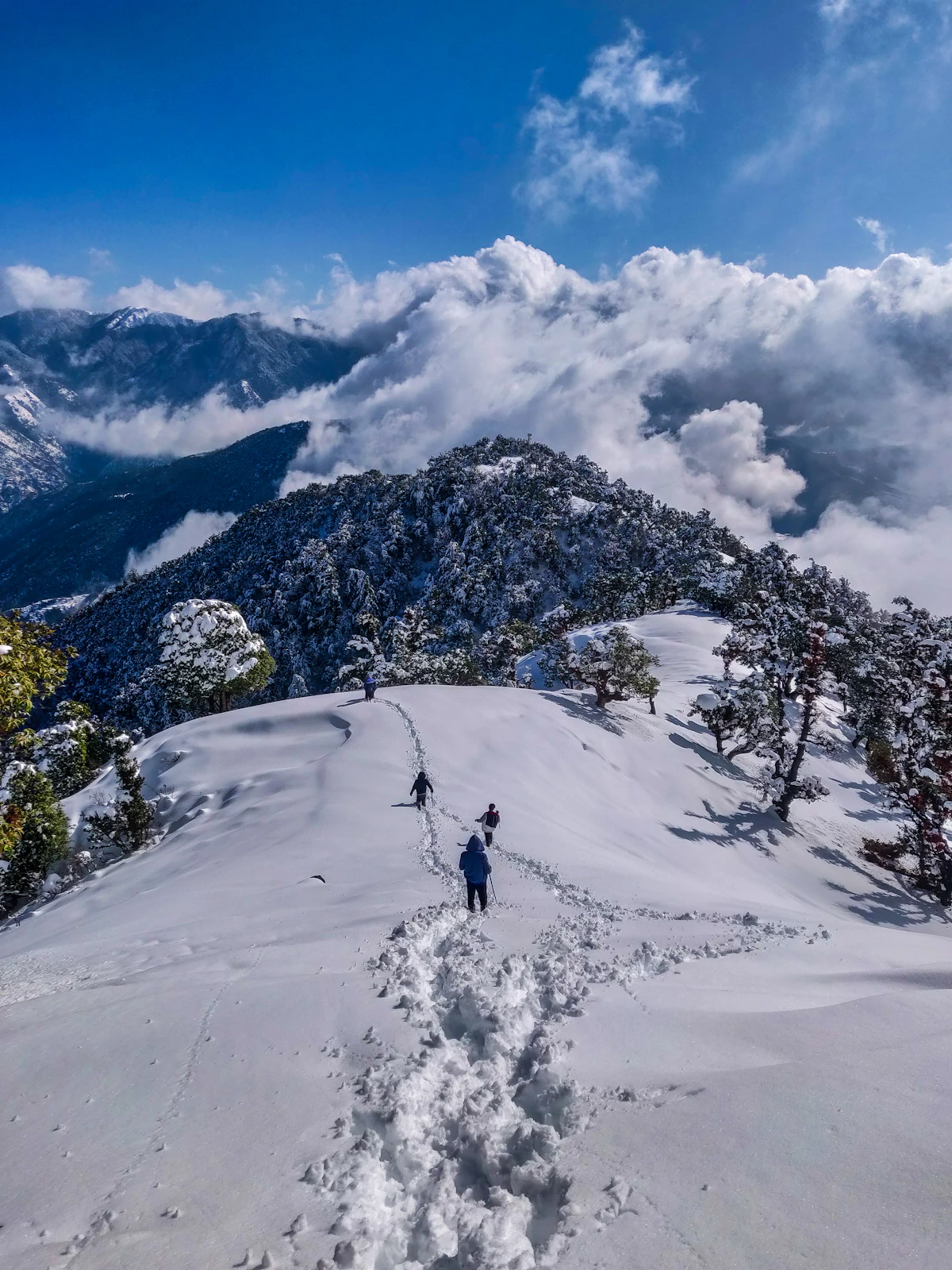
Mountain weather is highly unpredictable during the yatra. In May and June the days are pleasant but the nights are cold, while from late June the monsoon begins to set in. The monsoon heightens the risk of landslides and blocked roads, so pilgrims should carry warm clothes, a raincoat, sturdy shoes and a first-aid kit. Heeding the warnings of the weather department and the administration is the first condition of a safe journey. In the mountains the weather can change within hours, so it is essential to keep the itinerary flexible.