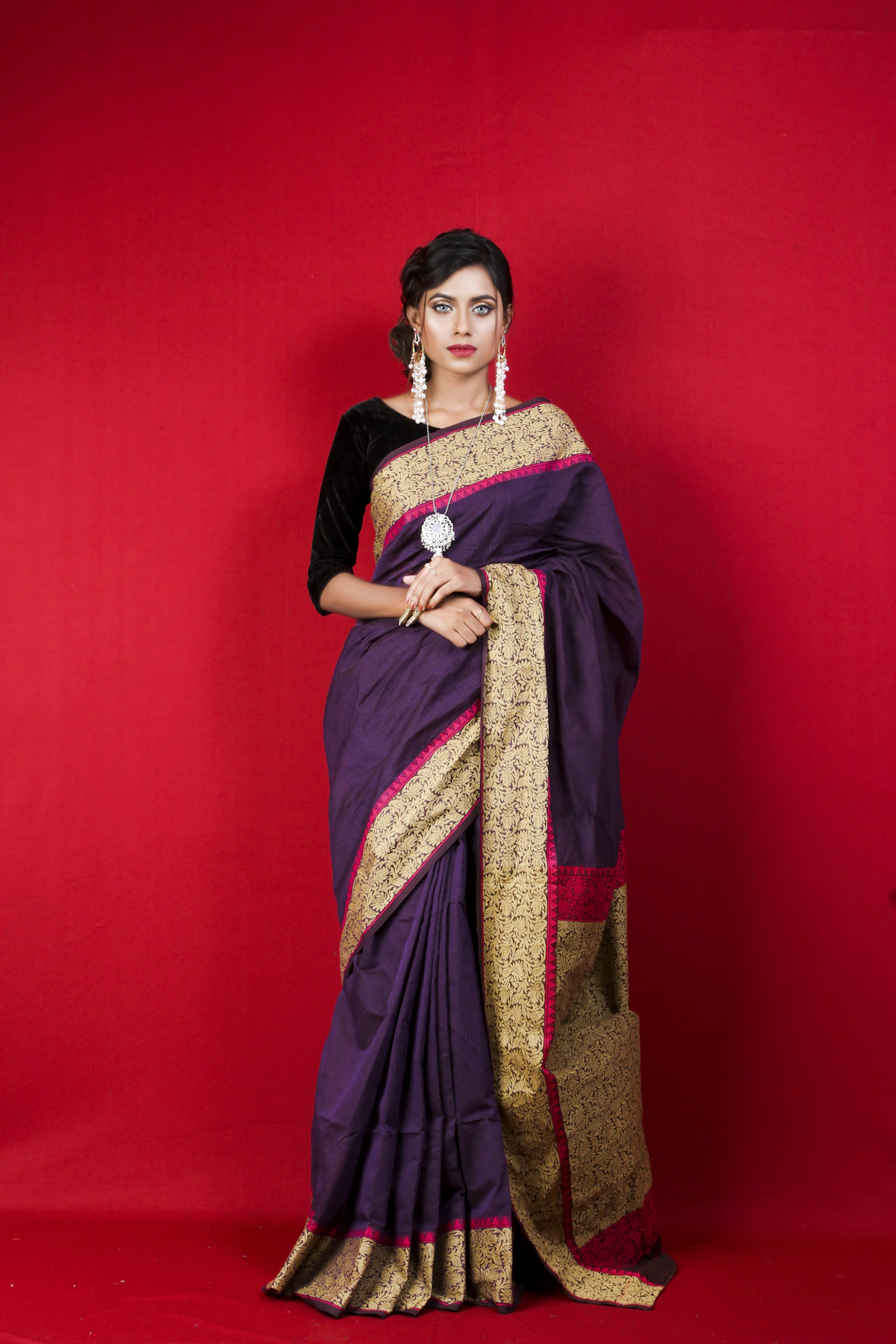
NEW DELHI, June 12. When it comes to clothing under the scorching Indian summer sun, the fashion of 2026 appears to be turning in one clear direction — natural, breathable and durable fibres. After a disenchantment with fast-changing 'fast fashion', the season's mantra has become 'slow luxury', in which authenticity is the new luxury. And at the centre of this shift is khadi. This change is not merely aesthetic but also a symbol of a leaning towards a responsible lifestyle.
Khadi's new identity
Once seen as a coarse, rough cloth, khadi has come a long way. The designers of 2026 are blending it with silk, mulmul and even denim to create sharp drapes and modern silhouettes. Khadi is hand-spun and hand-woven, its electricity footprint is almost zero, it provides livelihoods to rural artisans, and it breathes beautifully in Indian summers. That is why khadi, Jamdani and hand-woven cotton blends are finding new life in international markets too. From the fashion-week ramp to the everyday wardrobe, khadi has reclaimed its place.
Linen and hemp: heroes of the season
In this summer's textile trends, linen and hemp have emerged as the lead heroes — for their lightness, strength and breathable texture. Organic cotton remains the backbone of everyday wear and home textiles, offering both softness and structure. The linen-cotton blend is a special attraction — when linen's strength and natural lustre meet cotton's softness, the result is a fabric that is both durable and comfortable. These fibres are biodegradable, meaning their burden on the environment is very low.
The market for sustainable fabrics
In 2026, the sustainable textile market is led by linen, khadi, jute, 'banana silk' made from banana fibre, Tussar silk, Ghicha silk and handloom cotton. All of these are a confluence of eco-friendliness, artisanal value and export readiness. Consumers now shop not merely for appearance but with an understanding of a fabric's origin, its carbon footprint and the craftsmanship behind it — a thinking that marks a fundamental shift in the world of fashion. 'Made in India' and 'handmade' are now not just labels but symbols of quality and value.
The return of the artisan
The most beautiful aspect of this trend is the return of handloom artisans and weaver communities. When someone wears khadi or Jamdani, they carry not just cloth but hundreds of hours of labour and generations of skill. Designers and brands are now presenting these textiles as 'collectible art', strengthening both the rural economy and traditional crafts. This trend is a ray of hope for the millions of weavers whose livelihoods shrank in past decades under the pressure of machine production.