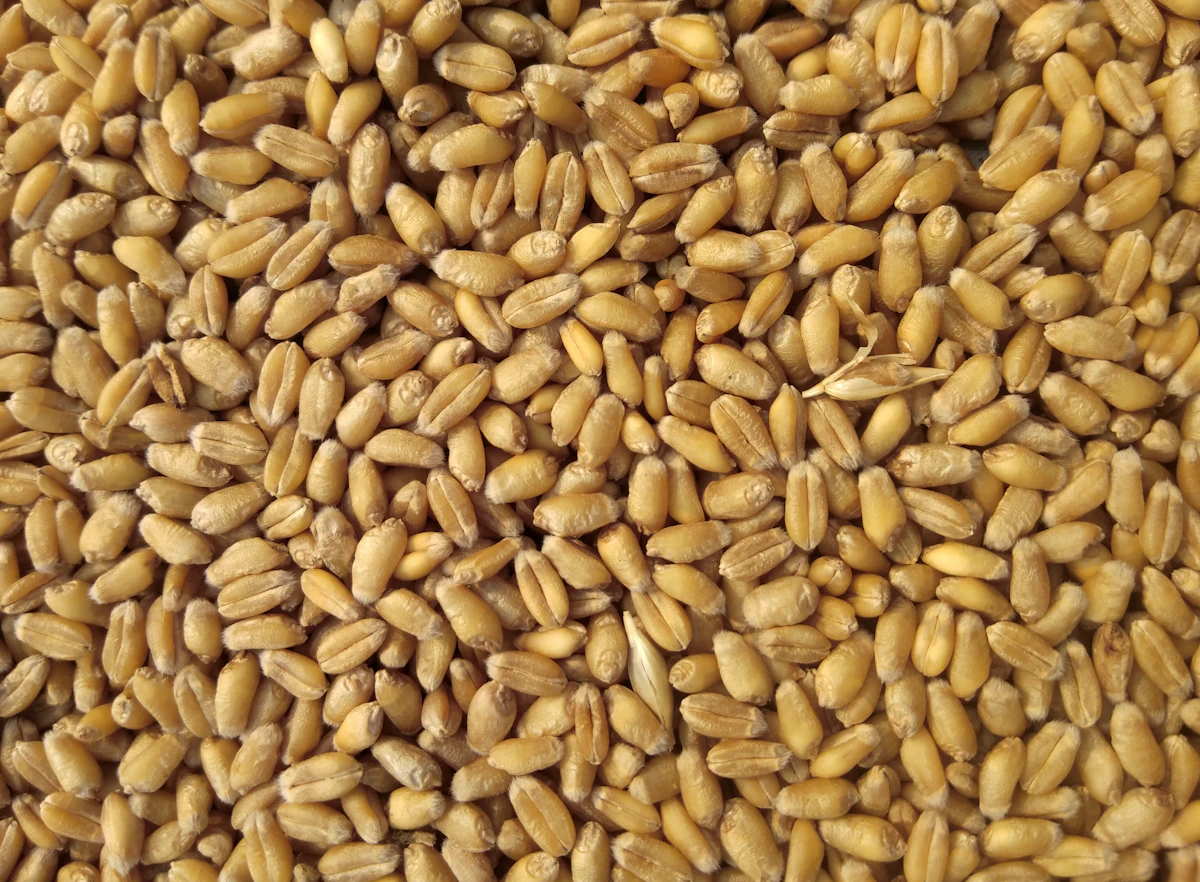
NEW DELHI, June 12. The coarse grains that have been part of the Indian plate for centuries — now respectfully called 'Shree Anna' — are returning to the heart of the kitchen once again. Millets such as bajra, jowar, ragi, foxtail, barnyard, kodo and little millet are being hailed as 'superfoods' by modern nutritionists for their unmatched nutrition. Especially in summer, when the body needs cooling and light digestion, these grains have emerged as an ideal choice. Their popularity has grown further since the United Nations declared 2023 the 'International Year of Millets'.
Why they are ideal for summer
Rich in fibre, protein, iron, calcium and essential minerals, certain millets help cool the body and pacify the 'Pitta dosha', which is why they are considered suitable for summer. Grains such as barnyard millet and jowar have remarkable body-cooling properties. Their glycaemic index is lower than that of wheat and rice, so they help balance blood sugar and give a feeling of fullness for longer. That is why people watching their weight and those mindful of diabetes are adopting them.
Each grain has its own virtue
Every millet has its own nutritional value. Ragi (finger millet) is an excellent source of calcium, beneficial for the bones — which is why it is especially included in the diets of children and the elderly. Bajra is rich in iron and energy, jowar is gluten-free and light on digestion, while small grains such as kodo and little millet are rich in fibre and micronutrients. This very diversity makes millets an important part of a balanced diet. For those who avoid gluten, these grains are a safe and nutritious option.
Government initiatives and awareness
Several efforts are under way in India to promote millets. Under the Ministry of Health, the Food Safety and Standards Authority of India (FSSAI) is promoting Shree Anna as part of a balanced and diverse diet through its 'Eat Right India' initiative. Region-specific millet recipes have been developed for school canteens, defence messes and railway menus. Programmes such as 'The Flavours of Shree Anna', in collaboration with Doordarshan, are bringing varied and tasty millet dishes into homes. These efforts have lifted millets from the old image of a 'poor man's grain' into a prestigious superfood.
How to add millets to your kitchen
Adding millets to everyday meals is easy. Ragi porridge or dosa for breakfast, bajra or jowar roti at lunch, and millet khichdi or upma as an evening snack — the options are countless. In summer, ragi malt or a jowar dish with buttermilk cools the body. Those fond of sweets can make ragi laddu or halwa. Start gradually — even replacing one meal with a millet dish two or three times a week makes a big difference. Ready-to-cook millet products are also now available in the market, offering convenience for busy lifestyles.