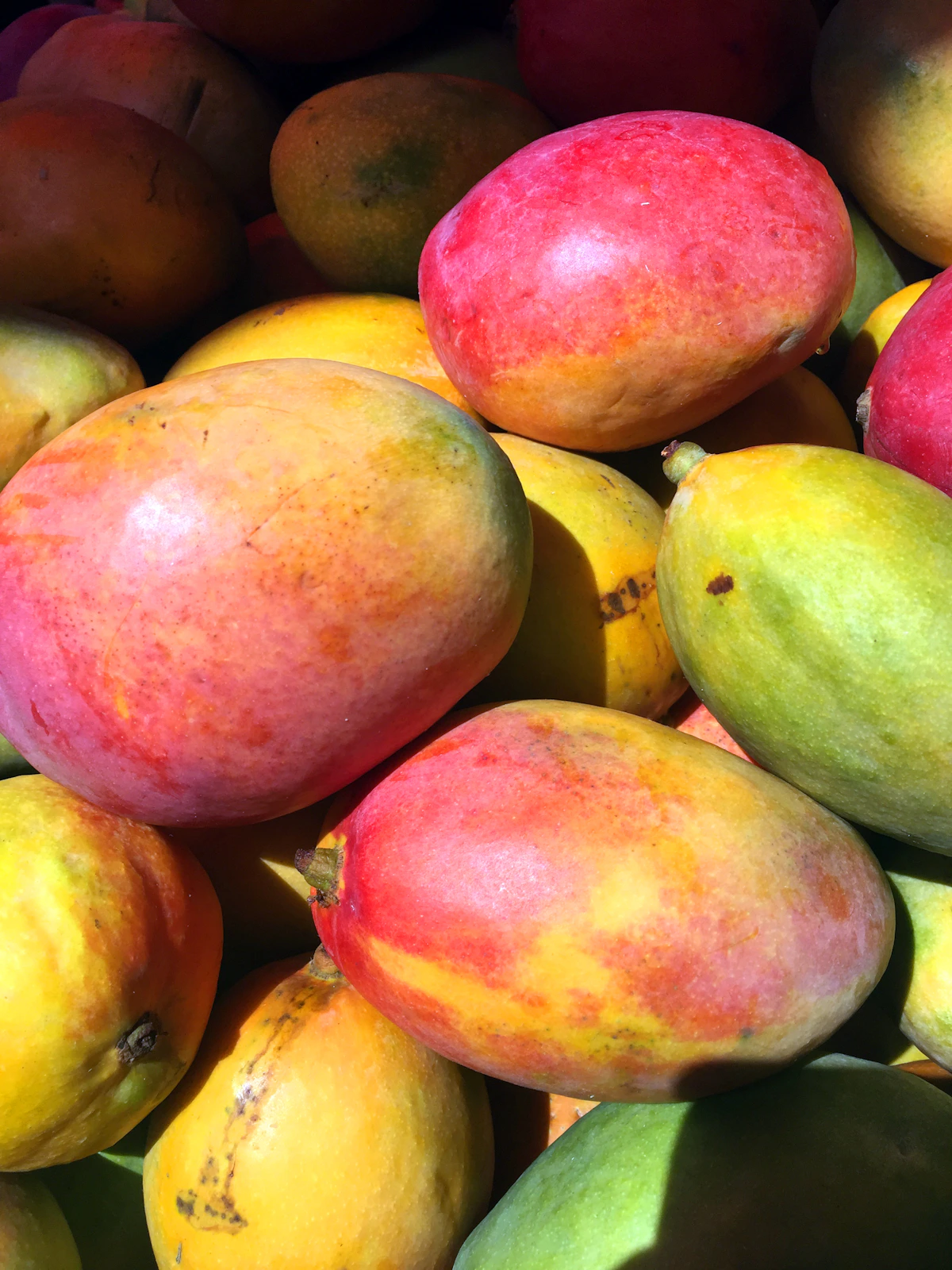
RATNAGIRI, June 12. Every Indian awaits summer's greatest sweetness — the mango — and among them all, the Alphonso, or Hapus, hailed as the 'king of fruits', is the most special. But the 2026 mango season has been challenging for the orchard owners of the Konkan. Owing to unseasonal rain, the region's Alphonso yield fell sharply this year — by as much as 75 per cent — directly affecting the availability of mangoes in the market and their prices. The decline was a disappointment for farmers and mango lovers alike.
The 2026 season: sweet but expensive
The Alphonso season usually begins in mid-February for Ratnagiri Hapus and early March for Devgad Hapus, peaking in March-April, and runs for about four months from February to June. This year, favourable winter temperatures kept the early fruit's quality high — the first 'flush' recorded a sweetness of 18 to 20 degrees Brix, and the main season stayed at 18 to 22 degrees. But with lower output, prices climbed — Ratnagiri Alphonso started at around Rs 2,249 a dozen and Devgad Hapus at Rs 2,499 a dozen. That is why Hapus remained a rare and prized fruit this year.
The GI-tagged varieties
Alphonso's two most prestigious varieties — Ratnagiri Hapus and Devgad Hapus — both hold a Geographical Indication (GI) tag and are grown carbide-free. Ratnagiri Hapus has a slightly firmer texture and a stronger aroma, while Devgad Hapus is comparatively larger and softer. Besides these, the Kesar mango from Gujarat's Junagadh-Gir region also carries a GI tag and is famed for its saffron hue and fragrance. The GI tag assures the consumer that the fruit is an authentic product of its original geographical region.
India's mango diversity
India is a treasure house of mango diversity. Beyond Alphonso and Kesar, there is North India's Dasheri and Langra, Banaras's Langra, Bihar's Jardalu, the South's Banganapalli and Bengal's Himsagar — every region has its own identity. Each variety differs in taste, texture and ripening time, filling markets across the country with a riot of mangoes during these summer months. This diversity makes India the world's largest mango producer, and here the mango is not merely a fruit but a cultural symbol.
How to identify genuine Hapus
Amid rising demand and high prices, there is also the risk of fake or adulterated mangoes. Genuine Alphonso can be identified by its deep golden-saffron colour, exceptionally fine fibreless pulp and intense aroma. Experts advise avoiding mangoes artificially ripened with calcium carbide — such fruit is often yellow outside but raw and tasteless inside and can be harmful to health. The aroma of a naturally ripened mango is strongest near the stem. When buying, press the fruit gently — a naturally ripened mango is soft but evenly so.