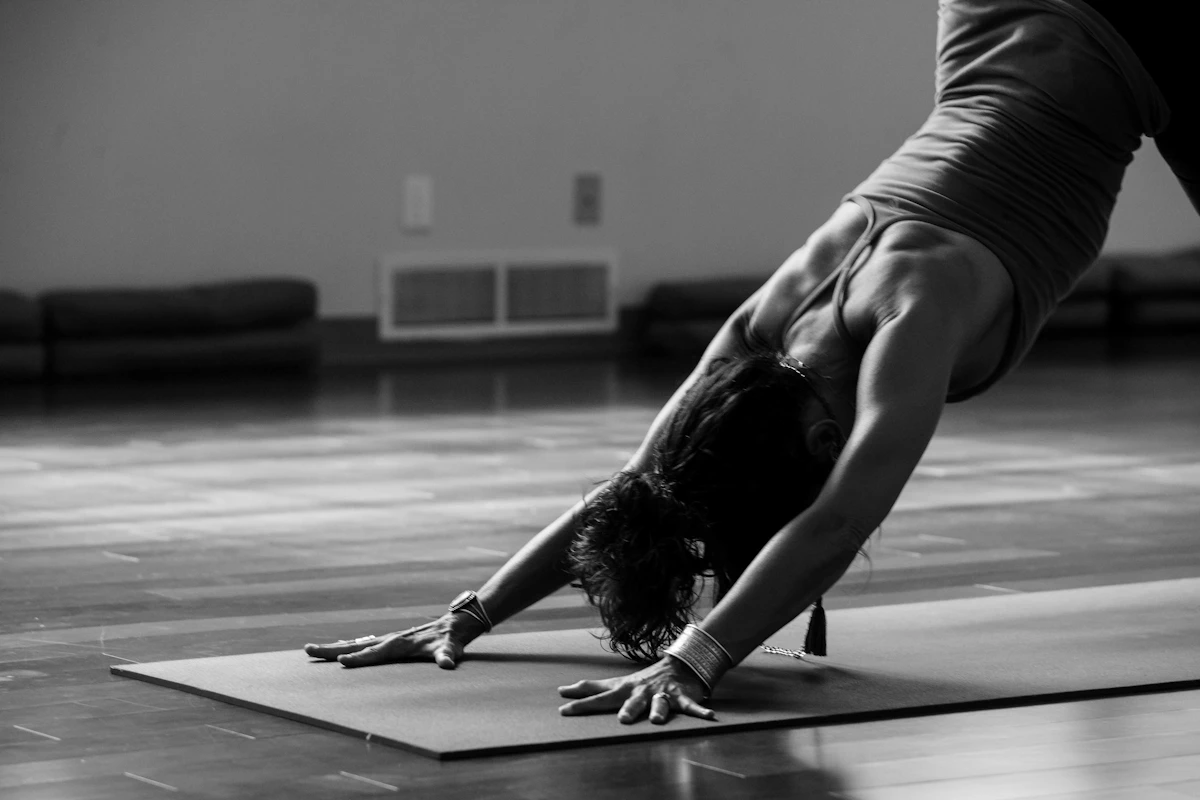
NEW DELHI, June 12. The worldwide celebration of India's yoga tradition — the International Day of Yoga — will be observed for the twelfth time this year on June 21, 2026. The Ayush Ministry has announced this year's theme as 'Yoga for Healthy Ageing', linked to active living, dignity and a healthy lifestyle in old age. This year's main national event will be held in Kolkata. The theme comes at a time when India's elderly population is growing rapidly.
The message of the theme
The 'Yoga for Healthy Ageing' theme draws attention to an important social need. With rising life expectancy, the number of older people is growing, and yoga can help them maintain physical flexibility, balance, mental calm and self-reliance. The Ayush Ministry has linked the theme to the 'Yoga 365' initiative, which promotes regular yoga practice through the year — so that yoga is not an event for a single day but a way of life. This approach promotes preventive healthcare, which also helps reduce medical expenditure.
The Ayush Ministry's preparations
In the run-up to Yoga Day, the Ayush Ministry has run a series of awareness campaigns and outreach activities with a special emphasis on healthy ageing, preventive healthcare and holistic wellness. On June 8, 2026, the ministry organised an RJ and influencer meet at Ayush Bhawan in New Delhi to spread the message widely through media and digital channels. The ministry has also released '10 Yoga Protocols for Non-Communicable Diseases and Target Groups', including a dedicated protocol for the elderly. The aim of these protocols is to take yoga to every person in a scientific and safe manner.
The benefits of yoga for the elderly
With age, problems such as stiff joints, poor balance, high blood pressure, insomnia and loneliness become common. Gentle yoga postures, pranayama and meditation help in coping with these challenges. Tadasana, Vrikshasana and simple stretches improve balance and flexibility; pranayama such as Anulom-Vilom and Bhramari reduce stress and improve sleep. Experts stress that the elderly should practise under the guidance of a trained yoga teacher and only according to their physical capacity. Regular practice keeps not only the body but also the mind healthy.
Precautions are essential
The benefits of yoga last only when it is done correctly. The elderly and anyone with a chronic condition should consult a doctor before starting postures. Do not force a posture if there is pain or discomfort. Practice is best on an empty stomach or several hours after a meal, in an open, airy space and in comfortable clothing. Starting gradually and maintaining consistency is the real key to yoga. Listening to the signals of the breath and the body, and respecting one's own limits, is most important of all.